


Xpact GOV
Automated Processing of digital Foreign National Files with AI
Immigration authorities process large volumes of documents every day — from applications for residence permits to official notifications. Xpact Gov fully automates the processing of these documents and integrates seamlessly into existing specialized systems. Existing immigration files and legacy data can also be automatically processed, digitized, and organized in a structured manner. This reduces processing times and significantly lightens the workload for case workers.

Challenges in Processing Files on Foreign Nationals
Processing foreign national files involves a significant amount of manual work. In particular, legacy files, unstructured documents, and the requirement to file them according to BAMF structures make efficient digitization and further processing difficult. Different document types, legal deadlines, and manual processes also frequently lead to errors.
Significant manual testing and data entry effort
Different documents, formats, and languages
Deadlines must be closely monitored
High risk of errors with manual processing
Xpact Gov: Efficient Automation of Foreigner Files
Compared to manual processing, Xpact Gov can reduce costs by up to 80% when processing inventory files.
Incoming foreigner files and documents are automatically recognized, classified, and filed according to BAMF structures, enabling relevant information to be processed in a structured manner. This results in end-to-end digital processes that can be seamlessly integrated into existing business processes.
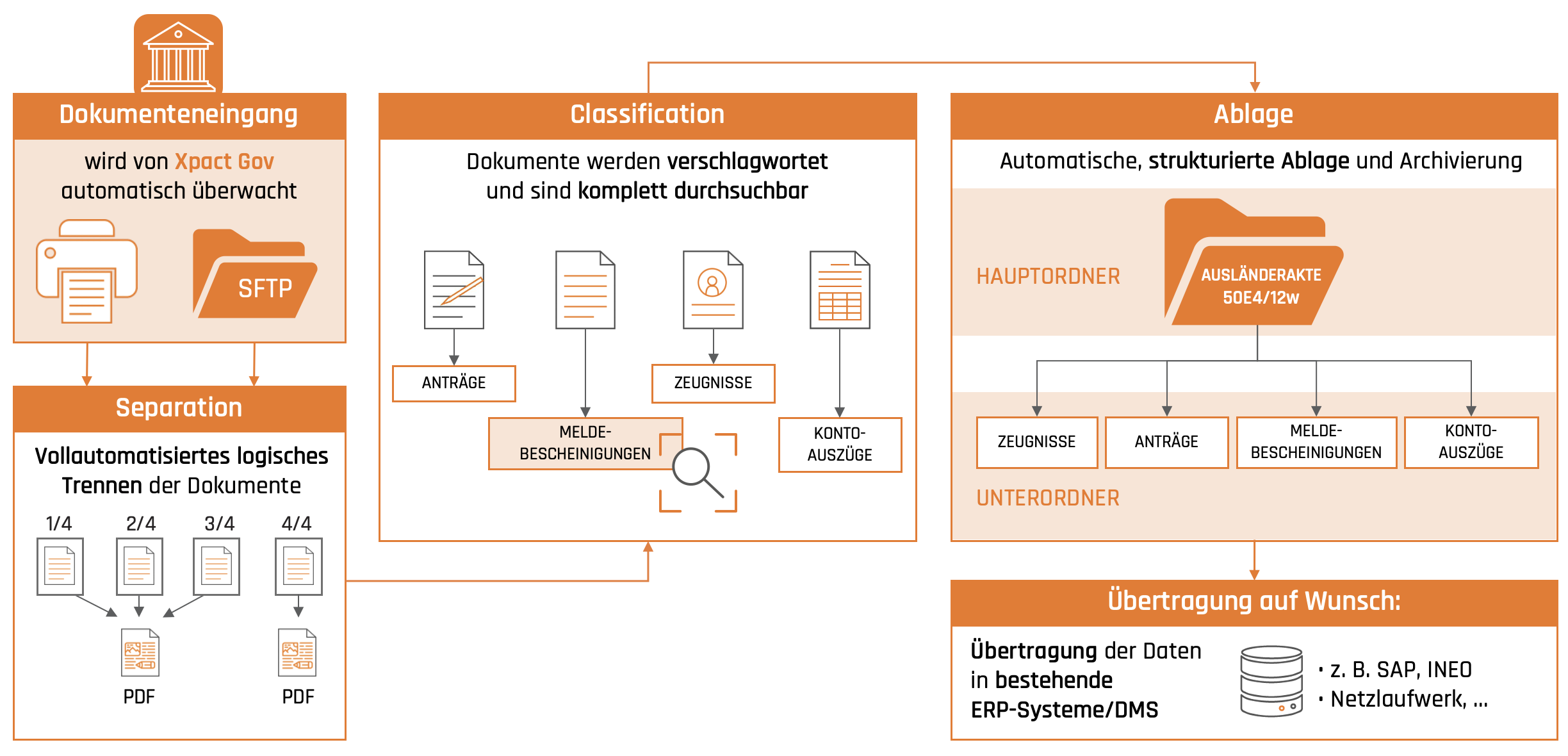
Here’s how the automated processing of foreign nationals’ files works:
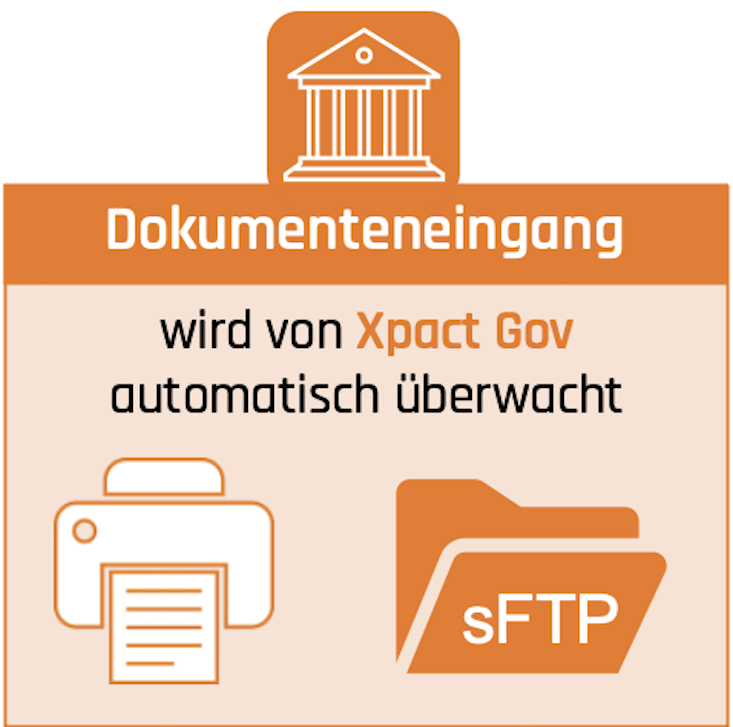
1. Incoming Documents
Incoming documents are automatically captured from various sources, such as the inbox, a scanner, or SFTP, and are continuously monitored.
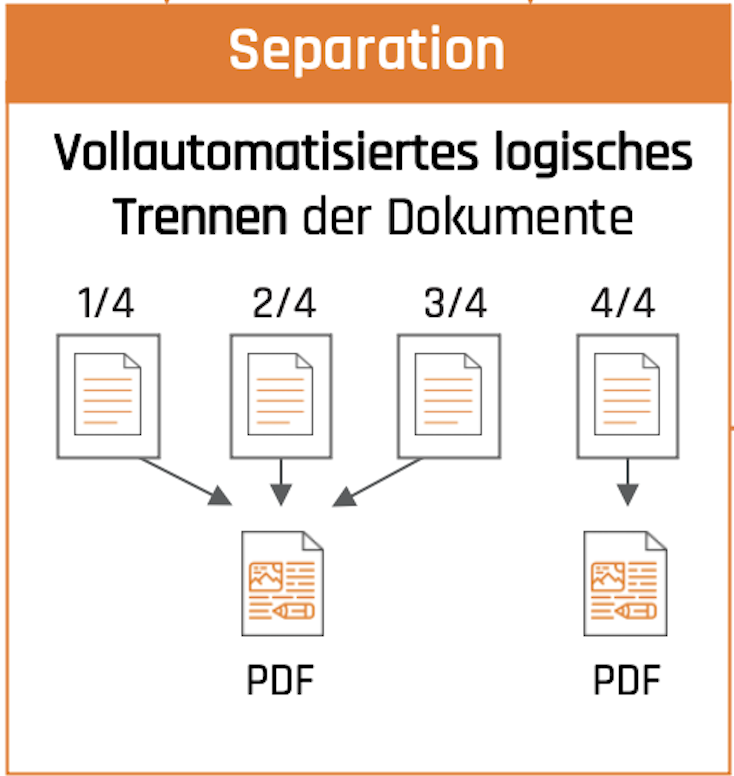
2. Separation
Bundled or unsorted documents are automatically separated from one another in a logical manner, allowing individual transactions to be processed efficiently.
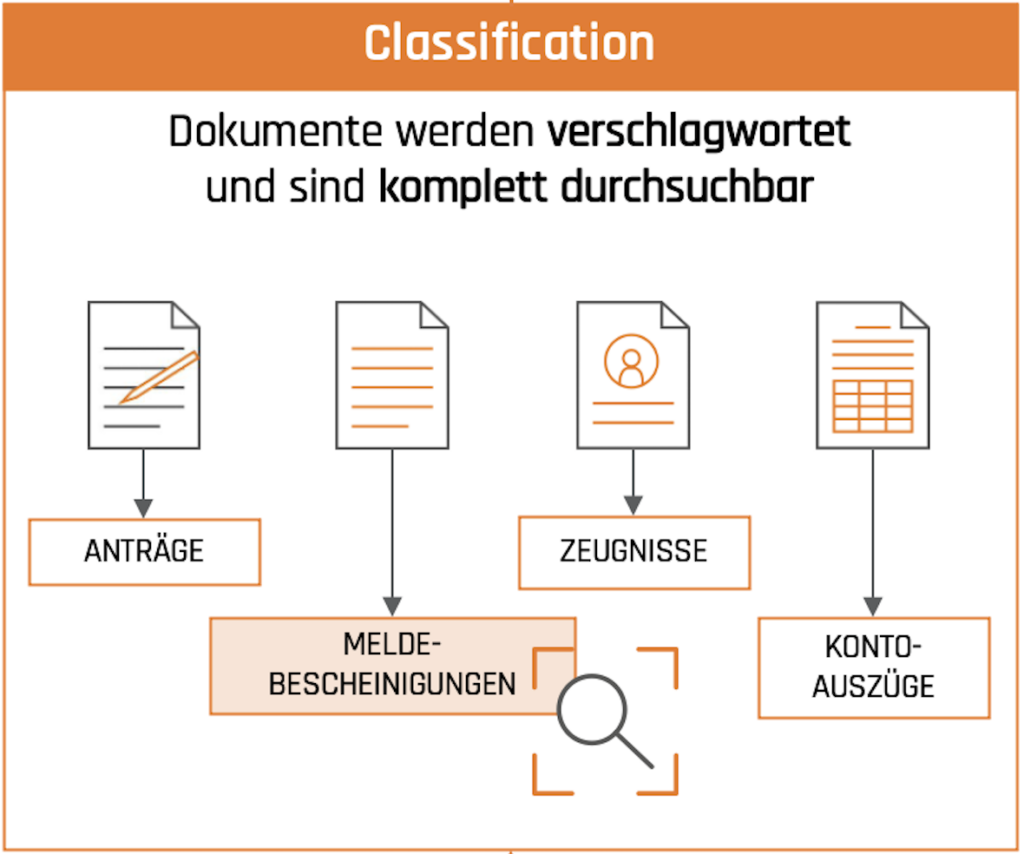
3. Classification
The AI recognizes document types such as applications, registration certificates, transcripts, or bank statements, tags them, and makes them fully searchable.
4. Organized Filing System
All documents are automatically transferred to the appropriate digital foreign national file according to BAMF structures—including assignment to main and subfolders.
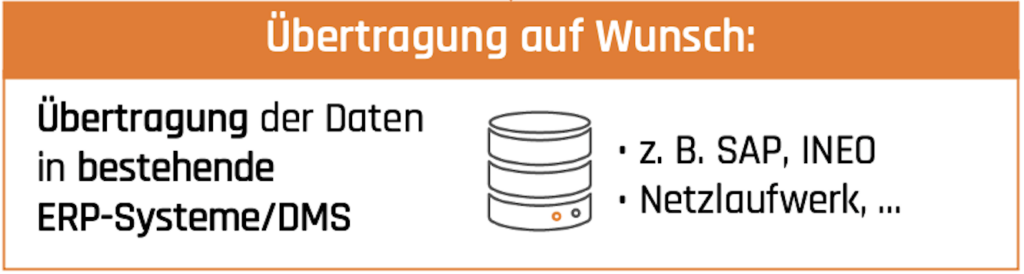
5. Integration into existing systems (optional)
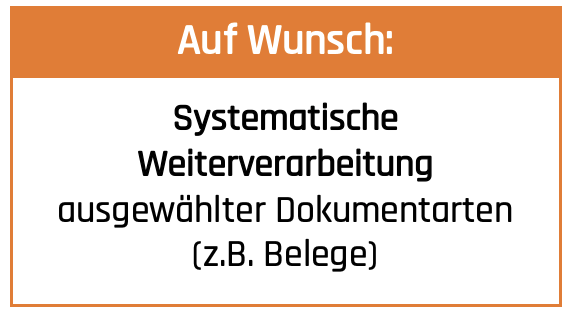
Upon request, the processed data can be transferred directly to existing systems such as DMS, ERP, or specialized applications for further processing.
Maximum security for your documents
Your data protection is our priority. Your highly sensitive data is in safe hands with us.

100% GDPR compliant
We ensure that your data is protected, treated confidentially and processed in accordance with the strictest EU standards.

SOC 1 Type 2 certified
Maximum process reliability through verified access controls, low risk of data loss or security breaches.

AI „Made in Germany“
Our software is developed in-house: your data remains in Germany and is not passed on to third parties.
Ihr Nutzen bei der Verarbeitung von Ausländerakten

- Significantly reduced processing times at the Immigration Office
- Entlastung der Sachbearbeitung bei Routineaufgaben
- Minimizing errors through automated processing
- Consistent adherence to deadlines and specifications
- Greater transparency in ongoing processes
- Seamless integration into existing business processes
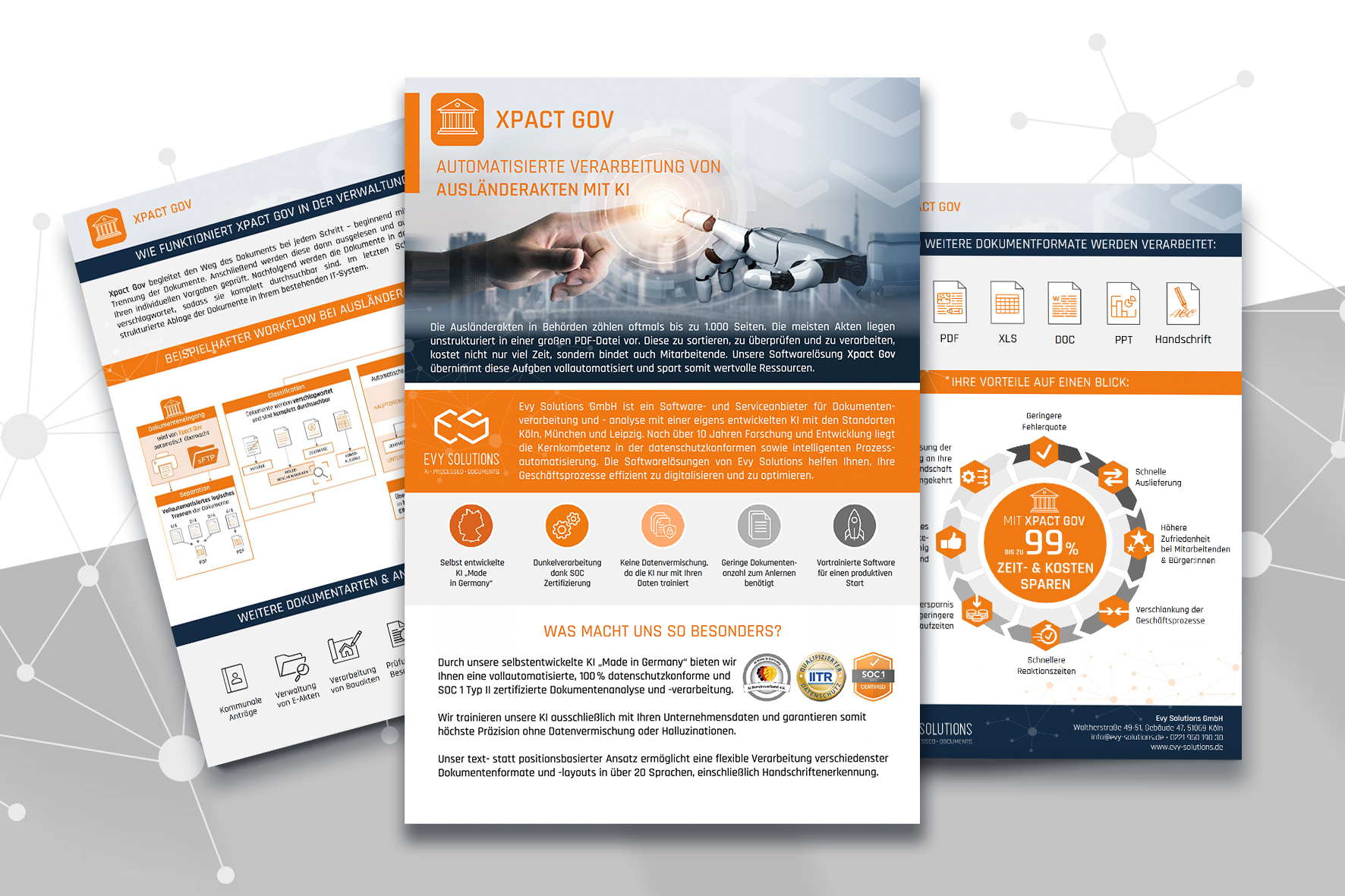
Learn more about the automated processing of foreign national files with Xpact Gov and download our product information now:
FAQ – Frequently Asked Questions About the Automation of Foreign Files
How can foreign national records be automated?
Xpact Gov enables the automation of immigration case files by automatically recognizing, classifying, and converting incoming documents—such as applications, notices, and supporting documents—as well as existing case files into structured, machine-readable data. The documents can then be automatically filed according to BAMF structures and subsequently transferred directly into existing specialized systems for further processing.
How does the solution support the requirement for data sharing between municipalities?
The solution enables structured and standardized data exchange between government agencies. Instead of unstructured PDF documents, information is provided in an interoperable format and can be seamlessly integrated into other specialized systems.
How is the “once-only” principle applied to foreign nationals' files?
Data is collected automatically, stored in a structured format, and made available across systems. This eliminates the need to manually enter information multiple times and allows it to be reused directly between business processes.
How is integration into existing specialist systems carried out?
The processed data and documents are seamlessly integrated into existing specialized systems—such as municipal solutions like VOIS, specialized systems for immigration affairs, or connected systems like SAP. Structured filing in accordance with BAMF guidelines can also be automated. As a result, all information is available directly within the respective system and can be further processed without additional manual effort.
Is the processing of foreign nationals' files compliant with data protection regulations and secure?
Ja, die Verarbeitung erfolgt vollständig DSGVO-konform. Die Lösung ist SOC 1 Typ 2 zertifiziert und nutzt eine in-house entwickelte KI („Made in Germany“), bei der keine Daten an Drittanbieter weitergegeben werden.
Do you have any questions?
We’re happy to help. Please contact us!